
The question “How Dangerous Are Marine Stingers On The Great Barrier Reef?” pops up every wet season, usually right after someone sees a stinger suit for the first time and wonders what on earth they’ve signed up for. Between Box Jellyfish, Irukandji jellyfish, and the occasional moon jellyfish drifting by, it’s fair to ask what’s what in these Australian waters. I get it — the jellyfish conversation can sound scarier than it needs to be. But with the right info (and the right Lycra), you can swim, snorkel, and dive up here with confidence.
How Jellyfish Species Act in the Top End

Before you zip into a suit and wade out, it helps to know why stingers appear when they do. Across Tropical North Queensland — from Airlie Beach to Cape York — Stinger Season rolls in with the warm, wet weather. Warmer water and shifting oceanographic conditions influence jellyfish movement patterns, bringing species like Chrionex fleckeri (the notorious Box Jellyfish) and Irukandji species such as Carukia barnesi closer to shore.
During the wet season (roughly November to May), conditions create perfect breeding grounds for marine life of all kinds. That doesn’t mean the ocean becomes a no-go zone — far from it — but you’ll use more caution, the same way you carry extra water on the Stuart Highway or keep an eye out for crocs in the Top End.
The Main Offenders — What You’re Sharing the Water With

Not all jellyfish are out to ruin your holiday. Most are harmless, drifting around like squishy little lanterns. But a few species can pack a punch, so here’s the real line-up.
Box Jellyfish (Chironex fleckeri)
The big one — fast, almost invisible, and capable of delivering a severe sting. They prefer coastal, sandy areas and are rarely seen on the Outer Reef, where many Cairns Jellyfish concerns fade away thanks to the deeper Coral Sea environment.
Irukandji Jellyfish
Tiny (often fingernail-sized) but powerful. Carukia barnesi, in particular, is known to trigger Irukandji syndrome, with symptoms like nausea, cramps and high blood pressure — the kind of thing that makes you suddenly appreciate stinger suits a whole lot more.
Bluebottles & Moon Jellyfish
More common on southern beaches but less of an issue offshore. Bluebottles can sting, while moon jellyfish are usually harmless — more inconvenience than crisis.
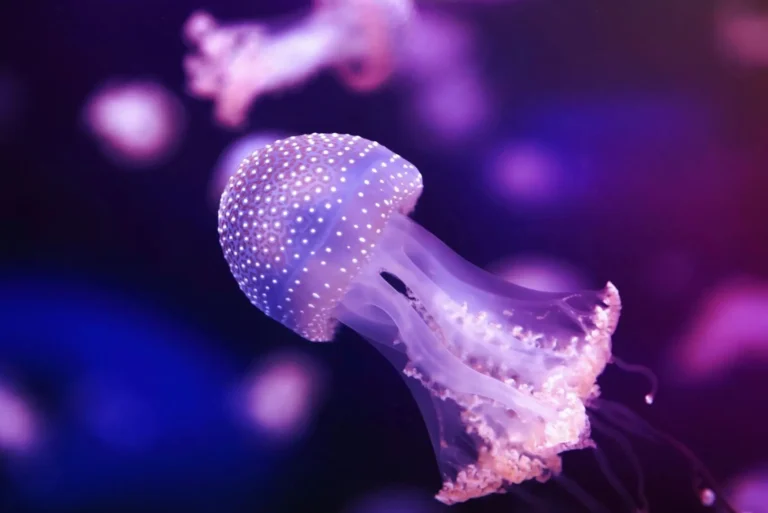
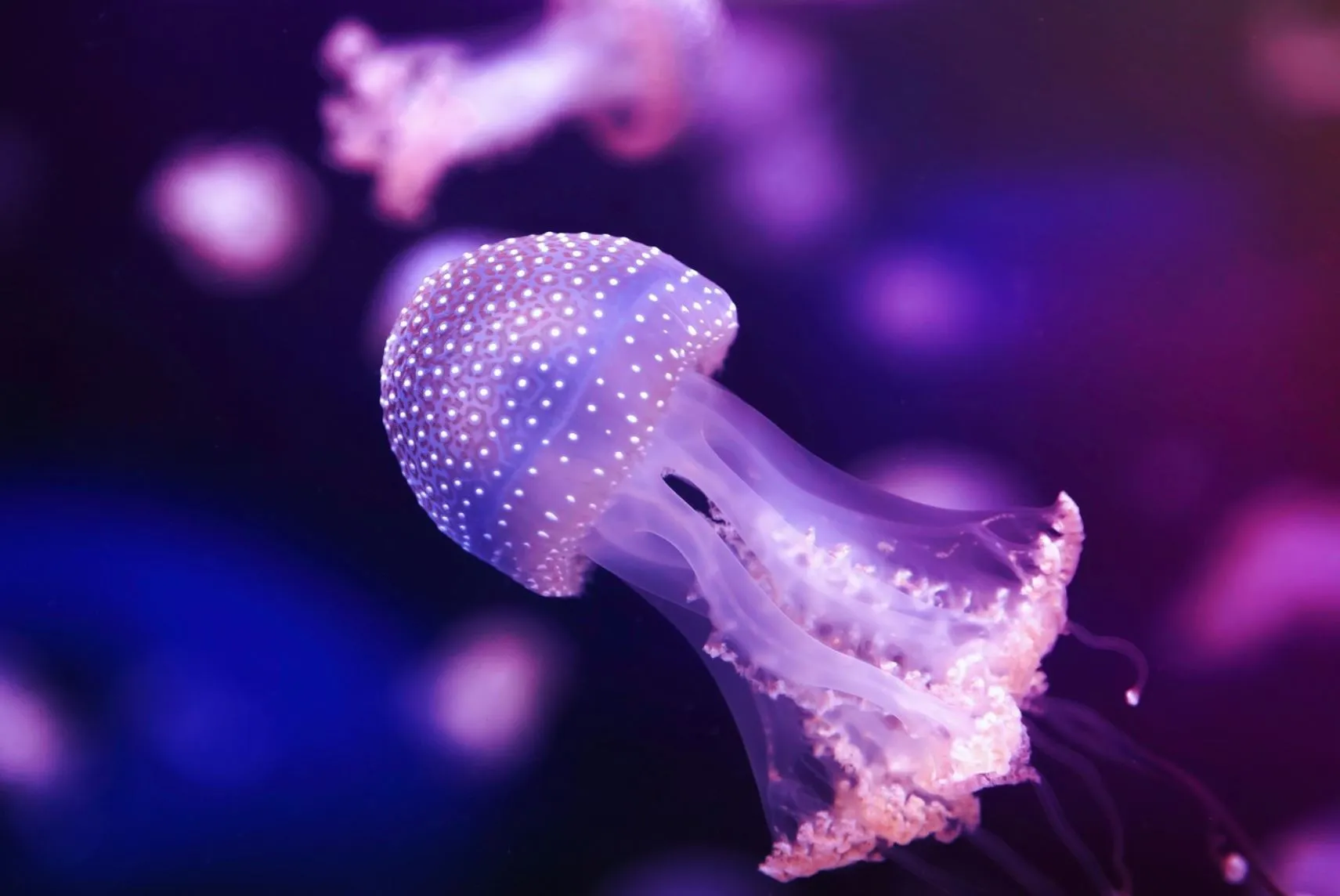
Most Reef Jellyfish
Harmless, beautiful, and the only thing you need to worry about is your underwater camera battery dying at the wrong moment while you’re filming reef sharks, parrotfish or the odd friendly Maori wrasse.
Where Dangerous Jellies Tend to Gather

The Outer Reef — the playground for most reef adventure operators — is generally lower risk thanks to deeper water, different currents, and the offshore reef environment. Nearshore areas, such as beaches around Cairns, Townsville, and Port Douglas, require more caution during the wet season. Stinger nets and clear signage help manage risk, much like biohazard management systems help workplaces stay compliant on land.
Here’s a breakdown using publicly available Queensland Health and Surf Life Saving statistics (valid at the time of writing, but variable by year):
Marine Stinger Risk Overview
| Area | Seasonal Risk Level | Typical Mitigation Used |
|---|---|---|
| Cairns & Port Douglas Beaches | High (Nov–May) | Stinger nets, stinger suits, lifeguards |
| Outer Great Barrier Reef | Low–Moderate | Stinger suits, onboard first aid, briefings |
| Whitsunday Islands | Moderate | Wetsuits, local signage, operator advice |
| Cape York Remote Beaches | High | Avoid swimming during the wet season |
Data based on Queensland Government marine stinger advisories and Surf Life Saving patrol statistics (seasonal trends).
Why Protective Suits Are an Aussie Traveller’s Best Mate

I’ve watched hundreds of hesitant swimmers turn into confident snorkellers the moment they wriggled into a stinger suit. They’re lightweight, breathable, and surprisingly comfortable — like wearing a Lycra security blanket while you explore the Coral Sea. They also help protect you from sea lice, sunburn, and the occasional rogue tentacle.
Stinger suits help by:
- Reducing exposed skin
- Protecting against UV
- Adding a layer of warmth on windy days shaped by southeasterly trade winds
- Making you look like part of an elite squad of amphibious superheroes
Operators across the Reef — including helmet-diving tours and glass-bottom boat trips — require suits as part of their safety protocols.
The Numbers — What the Stats Actually Say
Let’s cut through the pub rumours. Here’s what the data indicates:
- Fatalities from Box Jellyfish stings are rare thanks to strict safety protocols and prompt first aid.
- The majority of severe stings occur on unpatrolled beaches or spots without stinger nets.
- Outer Reef operations report extremely low sting incidents, especially from dangerous species, due to deeper offshore waters and predictable jellyfish movement patterns.
Marine biologists such as Dr Gershwin have spent decades researching these species, and her work continues to refine our understanding of Irukandji syndrome, jellyfish lifecycles, and the risk profiles of Australian waters.
What Happens If Someone Does Get Stung?
Every operator worth their salt — including all the crew at Get Lost Travel — trains annually in updated stinger response protocols. Offshore vessels carry vinegar, oxygen, radios, and trained crew. Whether you’re diving with Silverswift or joining a glass-bottom boat tour from Cairns, the first aid response system offshore is rock solid.
If You Get Stung by a Box Jellyfish
- Douse with vinegar immediately
- Call for help
- Avoid rubbing the tentacles
- Lifesavers may apply CPR if needed
If You Get Stung by an Irukandji Jellyfish
- Alert crew
- Apply vinegar
- Symptoms may appear after 5–45 minutes
- Medical monitoring recommended
Good operators handle this efficiently — just as they manage scuba diving briefings, reef certifications, and the occasional traveller who forgets half their reef packing list.
Seasonal Tips For Safe Reef Swimming
The wet might be Stinger Season, but it’s also whale season, waterfall season, and dramatic-sky season. With a bit of prep, you can enjoy it all safely.
Your Reef-Ready Checklist
- Wear a stinger suit (mandatory in Stinger Season with most tours)
- Swim inside stinger nets when at beaches
- Follow lifeguard instructions
- Avoid creek mouths (croc territory too!)
- Skip swimming after heavy rain
- Listen to operator updates — they’re not just background noise
I’ve seen too many travellers bolt past a marine stinger sign because the ocean looked fine. Trust me — the locals know more than the water does.
How Hazardous Jellies Affect Ocean Safety

This is the heart of the matter. For most travellers, the real fear comes not from statistics but from the unknown. Once you’re floating above coral bommies at Agincourt Reef or drifting from an Outer Reef Pontoon while reef sharks weave below you, that anxiety tends to evaporate.
I’ve taken nervous swimmers, families with toddlers, honeymooners who’ve never seen a wave before… they all came back with the same grin once they realised how safe, structured and well-managed the reef environment is.
You’re not rolling the dice. You’re entering one of the most heavily monitored marine zones in the world — with decades of first-hand research, from Dr Gershwin’s jellyfish studies to Queensland’s evolving safety protocols.
Whether you’re jumping on reef tours, heading out to an Outer Reef Pontoon, or joining operators like Great Barrier Reef Tours, Quicksilver Cruises, Reef Experience, or Silverswift Dive & Snorkel, the safety protocols out here are some of the best in Australia.
FAQ
Can I swim at beaches during stinger season?
Yes — stick to patrolled beaches with stinger nets and follow lifeguard advice.
Do Outer Reef tours still operate during stinger season?
Absolutely. Reef tours run year-round, supported by safety protocols, stinger suits, and excellent first aid readiness.
Are stinger suits mandatory?
During the wet season, they’re strongly recommended — and often required — for snorkelling and scuba diving.
Are marine stingers everywhere?
No. They’re more common close to shore. The deeper Coral Sea waters support fewer dangerous jellyfish.
Is it worth swimming during stinger season?
Yes — 100%. With proper protective measures, you’ll enjoy the Reef safely, whether you’re snorkelling, diving, or jumping on Helicopter Scenic Flights to Whitehaven Beach.


 Amy Smith