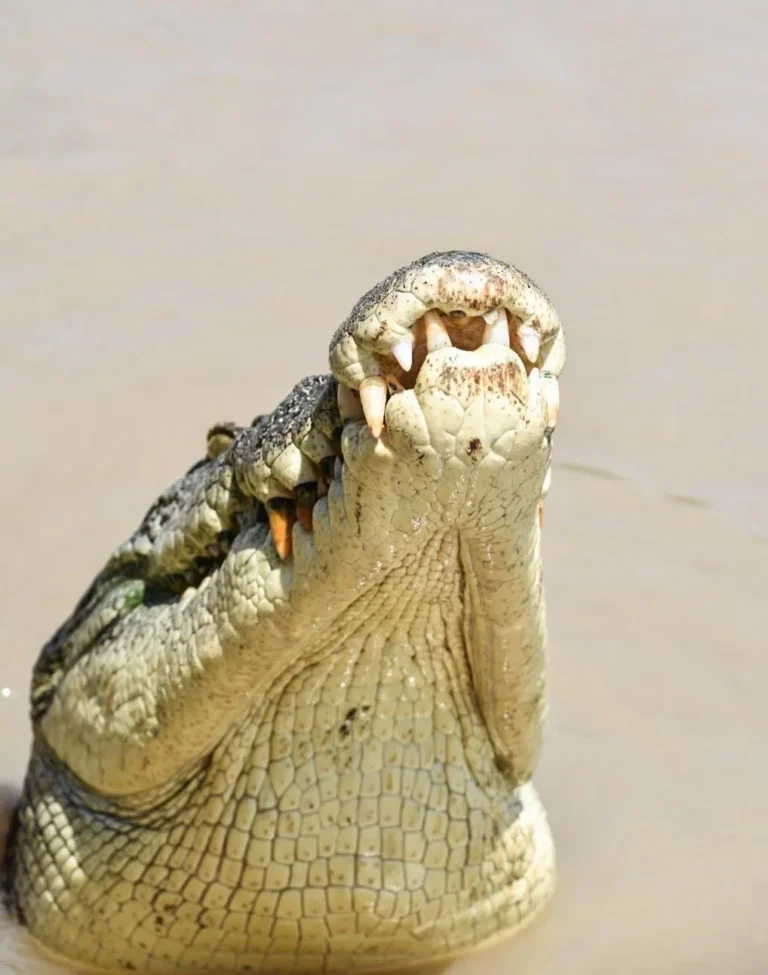
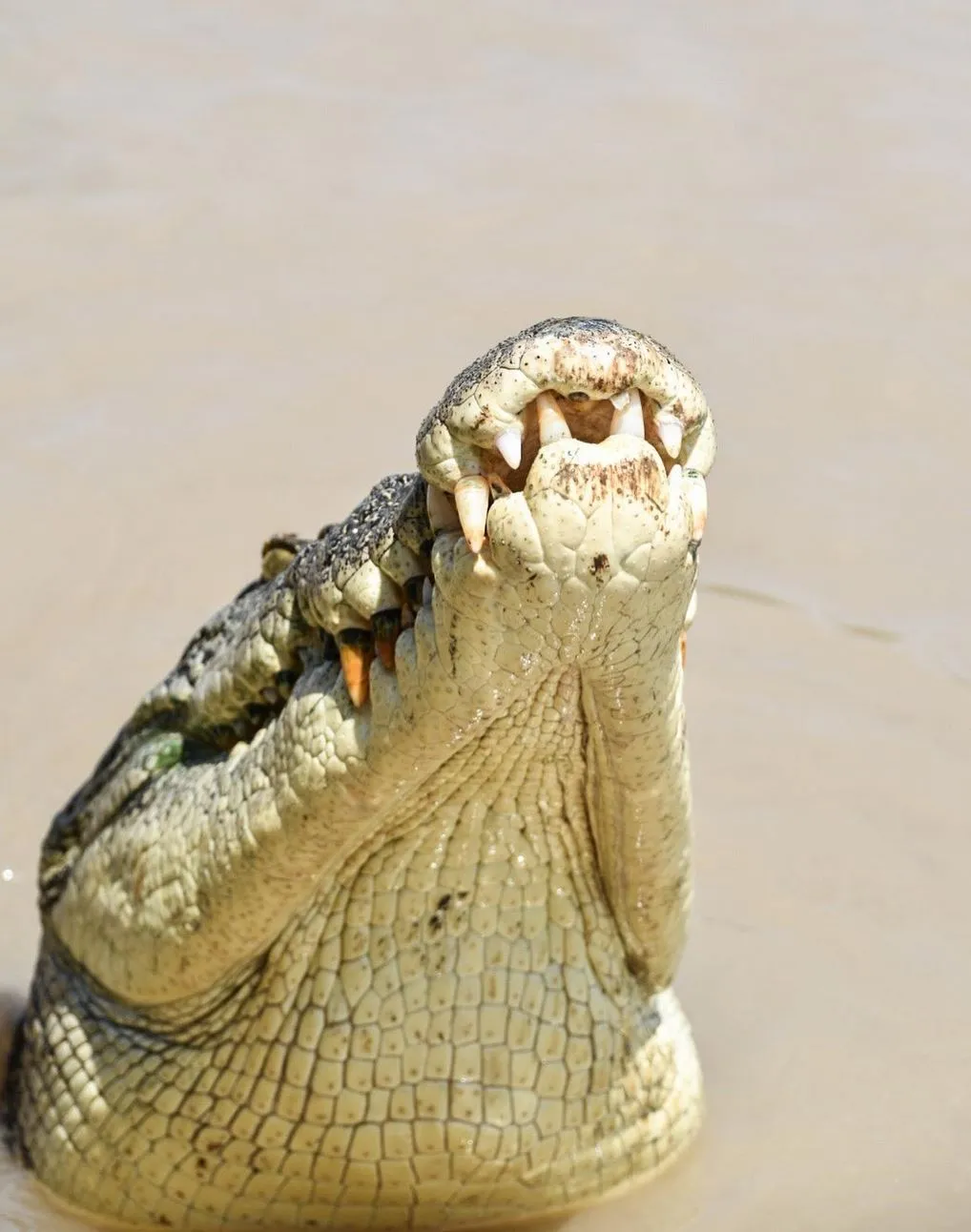

“Are there any rules about posting croc feeding videos on socials ?” – the question you might be wondering, in this age of social media, when wild crocodiles seem to be popping up all over the place. Scroll through your feed and you’ll find these mighty creatures showing up in all sorts of weird and wonderful places – lunging out of murky rivers, cruising round boat ramps or sniffing out fish scraps like they have some sort of secret cheat code for tracking the tides. – I’m Paul Beames, and I know a thing or two about this sort of thing after spending years up north. Let’s be clear: you might get a lot of likes for a viral clip of crocs getting fed, but you could easily lose out on a whole lot more – including a hefty fine from the environment department because of it.
Why Do Wildlife Videos Go Viral Anyway

It’s no great mystery why saltwater crocodile clips blow up online – you’ve got danger, you’ve got scale, you’ve got shock factor – the perfect recipe for social media. But the thing is, it’s all too easy to get caught up in the idea of a harmless stunt when, in reality, you’re probably crossing over into some pretty heavy-duty no-no territory when it comes to feeding wild crocodiles. Every year, the conservation folks and the environment minister go on about how worrying the number of social media videos is that make a big deal out of humans interacting with wild crocodiles.
Here’s how it works: feeding crocs isn’t ‘content creation’ (whatever that even means). It’s just wildlife interference, plain and simple. And in Australia, wildlife protection laws take that sort of thing very, very seriously.
Crocodile Laws Across the North
| Region / Authority | Rule Summary | Potential Fine (AUD) |
|---|---|---|
| Northern Territory | Illegal to feed, entice, or disturb any crocodile under the Territory Parks and Wildlife Conservation Act | Up to $7,000 |
| Queensland | Feeding, baiting, or disturbing crocs is banned under the Nature Conservation Act | Up to $12,000 |
| Western Australia | Interfering with estuarine crocodiles is prohibited under the Wildlife Conservation Regulations | Up to $10,000 |
| Federal (GBR Marine Park) | Unpermitted wildlife interaction is restricted | Up to $6,600 |
NT Parks & Wildlife, QLD Environment, WA DBCA (2024 figures)
We’ve got laws in place to protect native wildlife and keep the public safe – they’re not actually there to ruin your chances of getting some awesome footage for that weekend adventure. Once a crocodile gets the idea that humans are a source of food, it’s just a matter of time before these predators turn up in public places, and that doesn’t usually end well for anyone.
When Something Goes Viral Becomes News

That 10-second clip of a bloke casually feeding a crocodile might look pretty cool on Instagram, but it usually ends up being a news headline for all the wrong reasons. Now Rangers are tracking down cases of croc spotting tours gone wrong and people feeding wild crocodiles – places where it’s not even allowed – using social media.
Not long ago, some bloke out in the water near Cahills Crossing with a tinny and his line with a bit of bait on it – not even a fisherman, apparently – got caught on camera. Before you know it, the Environment Department were onto him, and within days, he was facing a pretty hefty fine and a right old roasting on social media. You know, the kind that really gets people riled up – not because they hate crocs, but because they know that feeding them puts lives and livelihoods at risk.
If you really want to see crocs up close without getting in trouble, then the crew running the Jumping Crocodile Cruise know what they’re doing, and all the necessary permits are in place.
The point here is this: The video you post online for a laugh can come back to haunt you as the proof you broke the law – getting rid of it later doesn’t save you.
Why The Rules Exist: How Crocodiles Tick
Crocodile behaviour isn’t just random – they have an incredible sense of smell and can pick up on a carcass or fish scraps from kilometres away. If they start to associate that smell with humans, then boat ramps become potential hunting grounds, and the chances of running into a crocodile go WAY up.
Feeding crocodiles isn’t some kind of thrilling stunt; it just changes how these animals behave in the wild. It’s called “conditioning” – and it’s a recipe for disaster. Once it’s happened, rangers have to set a trap for the crocodile, and for that animal, it’s curtains—usually, they are relocated or have to be put down.
And as a side effect, feeding them also screws up the rest of the wildlife in the area – it draws crocs in where they wouldn’t normally go and just throws the whole ecosystem out of whack.
“I Was Just Filming, I Didn’t Do Anything Wrong”

That’s where the fine print kicks in, though – if you weren’t actually the one feeding the crocodile but you’re the one filming or inciting someone else to do it and you’re just watching from the sidelines, laughing away, then you’re definitely part of the problem. Even if you put out some fancy “I’m just a witness” caption on social media afterwards, it’s all just a bit cringeworthy.
The social media giants TikTok and Instagram have been getting a lot stricter on the kind of wildlife content that’s allowed on their platforms, and hundreds of dodgy videos have been taken down due to community guidelines around animal welfare. So even if you manage to avoid getting in trouble with the wildlife laws, you might still get yourself banned from the platform or have your post taken down.
The Cultural and Environmental Stakes
Out in croc country – think the Top End, the Gulf, or the Kimberley – these animals aren’t just top of the food chain, they’re actually a big part of the place. And for the Traditional Owners, saltwater crocodiles are more than just wild animals – they’re sacred beings tied up in Dreamtime stories. So if you go disrespecting them, or trying to use them to get laughs on social media, it’s not just poor taste – it’s actually pretty darn insulting.
Out on Aboriginal-managed land, you’ve got to follow the community protocols, especially if you’re planning on filming, flying drones or getting up close and personal with the wildlife. Always ask before you start recording, and remember, the way the crocs behave isn’t just science – it’s also part of the cultural rules of the place.
By the Numbers: Why It Matters

| Statistic | Data | Source |
|---|---|---|
| Estimated saltwater crocodile population in NT | ~100,000 | NT Department of Environment (2024) |
| Average crocodile interaction reports per year | 25–30 | NT & QLD Environment Dept |
| Recorded fines for illegal feeding (2022–2024) | Over 60 | Ranger Enforcement Data |
| Fatal attacks nationwide (2013–2023) | 9 | ABC News |
| Crocodile relocations due to human interference | 150+ annually | NT Parks & Wildlife |
Every one of those stats is a stark reminder that incidents are simply preventable. Crocs aren’t going out of their way to hunt humans – they’re just reacting to the rules that have been drummed into them from day one. Give a crocodile one free feed, and before you know it, they’re expecting a meal.
When a Clip Goes Viral
Once a crocodile starts showing up at a popular spot – a campsite or boat ramp – the rangers are hot on the case. They pop in a crocodile trap, warn locals, and sometimes that means closing off access to the area – and let me tell you, it’s not just about chucking out a “nuisance croc”, it’s about putting the brakes on the whole lazy, thoughtless behaviour that’s led to the mess.
And the Environment Department is all over this – conservation officers with a knack for tech are keeping an eye on social media, so more often than not it’s just a matter of minutes before some bloke’s identified after posting that dodgy video of themselves feeding a crocodile – when your rego number, face or voice pops up in a video like that, you know you’re in for a world of trouble.
Some Tips for Visitors and Locals

Do This Stuff
- Give yourself a clear 50 metre buffer when camping near any waterways – just to be safe
- Don’t just chuck your fish scraps in the river – bin them properly
- Clean your catch at a proper table, where it belongs
- Just follow those croc warning signs without thinking twice – they’re there for a reason
- If you see some numpty feeding or behaving recklessly near crocs – get on the phone to the rangers or Environment Department pronto
And For Your Own Good – Avoid This
- Don’t dangle bait or fishing lines near the water – that’s just asking for trouble
- Don’t get too close to a croc for a better photo – it’s just not worth the risk
- Don’t go for a swim in some unmarked creek or billabong – there are dangers lurking under the surface
- No one in their right mind should be trying to have an amateur wrestling match with a croc ( some doofus still does that)
- And for goodness’ sake, don’t put up a social media post showing off your dodgy behaviour around crocs – you’ll just be asking for a visit from the rangers
I had a chat with a ranger once when I was filming near the Daly River – he nailed it – “You feed a croc once and you’re sealing its fate”
The Science Behind It

Crocodiles have been around for a while, but they’re not mindless brutes. Studies have shown that they can remember feeding cues for years on end – that’s a long, long time. They can sniff out tiny amounts of blood or fish oils in the water and link it straight back to the presence of humans. Over time, that’s what leads to a crocodile hanging around jetties or campgrounds like a dog waiting for scraps.
It’s not aggression, it’s just a case of learned behaviour – behaviour that’s picked up from us.
And if we don’t do anything about it, then we’re just going to keep on getting more and more relocations, more traps set, and fewer wild natural crocs living as they’re meant to.
Safe Filming: Capture the Wild – But Do It Responsibly
You don’t have to put yourself in harm’s way or break the law to get some sick footage. It’s all about showing some respect and not pushing the limits.
Here are some pro filming tips:
- Use a good zoom lens or get some drone footage (but check the local rules first)
- Stay 25+ metres away from any wild crocodiles
- Film the crocs in a natural setting – not when they’re being fed or responding to bait
- Don’t go tagging the GPS location of nesting areas – that’s just selfish
- Give credit where it’s due – acknowledge the local guides, Traditional Owners and park rangers who look after these animals
- And if you want an epic shot, then try the Jumping Crocodile Cruise – it’s a sick way to get up close and personal with these incredible reptiles without breaking a single rule.
How to Have a Thrill Without the Aggro
Want that adrenaline rush without ending up with a hefty fine? Take a guided crocodile-spotting tour. Places in the Top End and Far North Queensland have all the right permissions for these things – even getting to see crocodile feeding, as long as it’s done under proper supervision.
These tours are also about supporting conservation efforts and teaching visitors about how these amazing animals live – their habits, their habitats, where they fit in. You’ll walk away with some sick snaps and no unwanted penalties.
Book with a reputable outfit like Jumping Crocodile Cruise on the Adelaide River – they’ve been showing people how to get up close to these animals, but in a way that’s safe for all involved.
Sharing Your Aussie Adventure
It’s basic social media etiquette – share your adventures, don’t put them at risk. That video of the crocodile you’ve been fed to? Not exactly the kind of thing you want to be known for. It’s cool and all, but for the species and the culture, it’s just bad news.
Want to show off that time you had an amazing adventure in Australia? Well, how about sharing some snaps of the sunrise over the floodplain, your campfire just simmering away, or that really cool moment when you spotted a sneaky crocodile making an appearance in the distance? Just leave the feeding to the pros – your local park rangers, wildlife management people and so on, and help keep these incredible creatures wild and wary – because any real traveller will tell you that there’s no need at all to use bait to tell a great story. At the end of the day, there are almost endless ways to create a great post that brings your audience along on the ride without causing harm to the environment.
Written by Paul Beames, a local who loves nothing more than travel, wildlife preservation work, and essentially has to say: feeding wild crocs just isn’t worth the view from where you’re standing.
FAQ
Can I film a Croc-feeding show on a guided tour and hope for the best?
If you do it with a good operator like Jumping Crocodile Cruise (they’ve got all the required permissions for safe and educational shows), then sure, you can film away. Just be sure to get the operator in the pic.
Do I really get in trouble (like a big fine) if I go ahead and feed crocodiles in public places?
Absolutely. You’d be asking for it to get in trouble and slapped with a big fine.
I just re-shared a video that someone else has posted – will I still get fined?
Yeah, unfortunately, you might – if you get caught promoting or posting something like that.
Why on earth do crocodiles hang around the local fishing spots?
Well, it’s simple – they’ve been fed fish scraps over time, and this gets them in the habit of associating with all sorts of trouble, the wrong sort of trouble.

 Amy Smith